“There must be some way out of here,” said the joker to the thief, “There’s too much confusion, I can’t get no relief …”
Bob Dylan, All Along The Watchtower
Why wouldn’t anyone … have compassion for those stumbling with their eyes of wisdom closed and joyously persevere so as to clear away such confusion?
Āryaśūra Pāramitā-samāsa
This website addresses complex issues related to Tibet, Tibetan Buddhism, the Dalai Lamas as well as Buddhism in general.
The articles included here provide information, detailed scholarship, analyses and opinions on these issues.
With that, we hope to counter the overblown caricatures or simplistic and often ideologically tainted portrayals of these issues, circulating on the internet or elsewhere in the name of enlightening us.
The authors, publishers and copyrights holders gave their assent to all their articles posted on this website. Many articles were scanned from the original books, OCR processed, carefully checked for errors. All efforts were put into formatting and presenting them in a neat html format. Instead of copying and pasting the articles, think of your karma, and please post links. Thank you very much.
Since the vast majority of academic writing that uses Sanskrit is conducted in transliteration, we use another typeface (Fedra Sans Pro) for those articles because it is capable of handling the characters necessary for transliterated Sanskrit.
Tenzin Peljor is responsible for producing this web site.
BUDDHISM
Basics of Buddhism
What is Buddhism? In the most straightforward sense, Buddhism is the corpus of doctrines and practices based on the teachings of Śākyamuni Buddha, who is believed to have been born in northeastern India and to have lived until the age of eighty, sometime between the sixth and fourth centuries BCE. |
What is Meditation? The English term meditation (derived from the Latin meditatio, meaning to reflect or contemplate) may be used to translate any of a number of different terms, from languages such as Pali, Sanskrit, Tibetan, or Chinese, which have a far broader range of meanings than is often understood. |
What is Mind? The topic of mind occupies a fundamental and complex role in the many forms of Buddhist thought and practice. In Buddhism it is generally asserted that mind, and not a creator deity, is the root and creator of the entire cycle of conditioned existence known as saṃsāra, although interpretations of what this means vary widely. |
What is Enlightenment? One of the primary and most defining elements of Buddhist thought is that of enlightenment (Pali/Skt. bodhi; Tib. byang chub), or awakening. The term bodhi derives from the root budh, meaning to awaken or recover consciousness, here signifying awakening, or being liberated, from ignorance … Typically, enlightenment refers to the awakened state that the historical Buddha attained … |
Buddhist Traditions Although it is common to speak of Buddhism as a single religious tradition, there are in fact many schools and sects of Buddhism, often with more differentiating them than uniting them. The notion of Buddhism as a single Asian tradition is actually a relatively recent idea, and even the term “Buddhism” was likely coined by Western scholars in the nineteenth century. |
What is Vajrayāna? The Vajrayāna (rdo rje theg pa), or Vajra Vehicle (vajra meaning diamond or thunderbolt), is a branch of Mahāyāna Buddhism incorporating a wide range of esoteric ritual practices and forms of meditation centered on visualization and devotion to tantric deities. Synonyms for the Vajrayāna include Tantrayāna (Tantra Vehicle) and Mantrayāna (Mantra Vehicle). |
Theravada & Mahayana Buddhism: The Bodhisattva Ideal
The Bodhisattva Ideal in Theravāda Theory and Practice
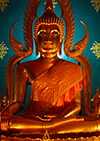
In exploring the oversimplifications inherent in the Mahāyāna-Theravāda dichotomy, it is Jeffrey Samuels’ intention to replace the theoretical model that identifies Mahāyāna Buddhism with the bodhisattva-yāna and Theravāda Buddhism with the śrāvaka-yāna with one that is more accurate.
Theravada & Mahayana Buddhism: The Bodhisattva Ideal
The Arhat & the Bodhisattva Ideal
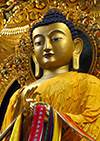
Bhikkhu Bodhi explores the arhat (Pali arahant; Tib. dgra bcom pa) ideal and the bodhisattva ideal which are often considered the respective guiding ideals of Theravada Buddhism and Mahayana Buddhism. According to Bhikkhu Bodhi, “this not entirely correct, for the Theravāda tradition has absorbed the bodhisattva ideal into its framework and thus recognizes the validity of both arahantship and buddhahood as objects of aspiration. It would therefore be more accurate to say that the arahant ideal and the bodhisattva ideal are the respective guiding ideals of Early Buddhism and Mahāyāna Buddhism.”
Arahants, Buddhas and Bodhisattvas
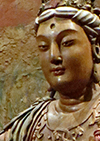
Ajahn Amaro examines the arguments for and against the arhat and bodhisattva ideals that define and too often divide the Buddhist traditions. He suggests a way out of the polarizing debate.
Between Arhat and Bodhisattva
The Bodhisattva Ideal
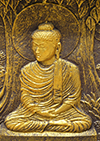
Walpola Rahula Thera rejects the wide-spread belief, particularly in the West,
that the ideal of the Theravada, which is conveniently
identify with Hinayana, is to become an arahant, while that of
the Mahayana is to become a bodhisattva and finally to attain
the state of a Buddha.
Bodhisattva Ideal in Buddhism
The Three Kinds of Ethical Discipline of Bodhisattvas
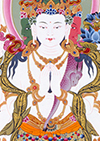
According to the Mahayana scriptures, bodhisattvas, the great beings of Mahayana Buddhism, are those who have generated bodhicitta – based on great compassion they resolve to gain enlightenment in order to bring about lasting happiness for all living beings. In a very inspiring and clear way, Geshe Sonam Rinchen explains the three types of ethical training of a bodhisattva.
The Ethical Discipline of Bodhisattvas
Nine Considerations for Bodhisattvas for Benefiting Beings
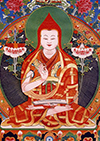
Dza Patrul Rinpoche gives a guideline concerning the ways in which bodhisattvas act to benefit beings. The text explains, “Bodhisattvas who genuinely take the bodhisattva vow of ethical discipline do nothing but act for the benefit of beings, either directly or indirectly, but unless one is skilful in benefiting these beings, no matter how much one does, it might not benefit beings, but could actually be a direct or indirect cause of harm. Take account, therefore, of these nine considerations and criteria as you act for others’ benefit…”
Nine Considerations and Criteria for Benefiting Beings
The Root of Mahayana Buddhism
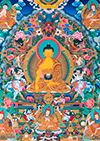
James Blumenthal introduces the most important Mahayana Buddhist masters – e.g. Nagarjuna, Asanga, Vasubandhu, Dignaga, Chandrakirti, Shantarakshita, Shantideva and Atisha – in
The Seventeen Pandits of Nalanda Monastery
Buddhism in the West

Buddhism in the West
Jay Garfield examines what happens when Buddhism and the transmission of Buddhism moves into the West and how Buddhist practice and Buddhist ideas themselves develop, evolve or transform through interaction with Western culture.
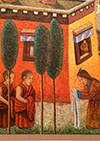
The Ever-Changing Forms of Buddhism
James Blumenthal sees a great advantage in Buddhism’s current situation, where lineages from various countries and traditions are coming into contact with one another and influencing one another in profound and subtle ways.
The Three Turnings of The Wheel of Dharma – Why They Are Each Essential To All of Us
Jay Garfield calls on Mahayana practitioners to read and study the suttas and commentaries from the Pali tradition and explains why this is important. He suggests a different way of thinking about the relationship between the three turnings of the wheel in terms of three different subject matters.
The Scientific Buddha
Is Buddhism the most compatible religion with science? Donald S. Lopez, Jr. examines the origins of the association of the Buddha with modern science and considers what is at stake in that association.
Sexual Ethics

Thinking through Texts: Toward a Critical Buddhist Theology of Sexuality
José Ignacio Cabezón recommends thinking through Buddhist texts when examining sexual ethics in Buddhism. A critical appraisal of the doctrine also involves understanding the context in which these ideas were elaborated.
The Benefits of the Secular

In Defense of the Secular
Jay Garfield focuses in this essay on the benefits of the secular and why the secular is the best protection that a minority tradition like Buddhism could ever have.
Mindfulness
Mindfulness has become an essential part of Western psychology and marries even with capitalism … however, there are different views as to what it actually is.
Georges Dreyfus examines the definition and use of the term ‘mindfulness’ in Western and traditional Buddhist context:
Is Mindfulness Present-Centered and Nonjudgmental? – A Discussion of the Cognitive Dimensions of Mindfulness

Jay Garfield shows how mindfulness is essential not only for the development of insight, but also for the cultivation and maintenance of ethical discipline in
Mindfulness and Ethics: Attention, Virtue and Perfection
Mind & Mental Factors
Klaus Löhrer investigates some of the problems of translating concepts of mind and emotions from Tibetan into English and explores some of the conceptual differences.
When Mind Travels: Preliminary Investigation of the Translation of Mental Concepts from Tibetan Buddhism into English Psychological and Colloquial Language
Empathy and Compassion

Empathy can lead to burnout. Compassion has the power to prevent burnout. What are the differences and what is the relationship between empathy and compassion from a neuroscientific and Buddhist perspective? Matthieu Ricard answers this question in |
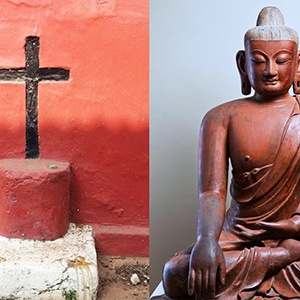 NEW Alexander Norman explores the similarities and differences in the Christian and Buddhist conceptions of compassion, with particular reference to Tsongkhapa, the 14th Dalai Lama and St Thomas Aquinas. Differing Perspectives, Compassion in the Buddhist and Christian Traditions |
Tibetan Buddhism
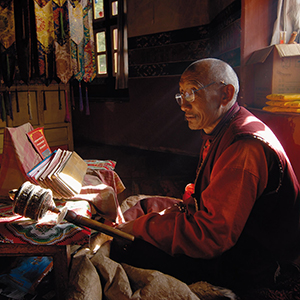 What is Tibetan Buddhism all about? Buddhist Meditation Traditions in Tibet: The Union of Three Vehicles by Georgios T. Halkias |
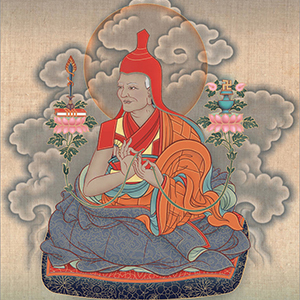 The history & philosophy of the Rime movement The Rime Movement of Jamgön Kongtrul the Great by Ringu Tulku |
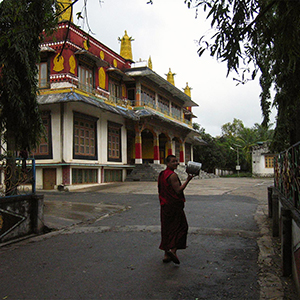 How is education & life in a Tibetan Buddhist monastery? Tibetan Monastic Colleges: Rationality Versus the Demands of Allegiance by Jeffrey Hopkins |
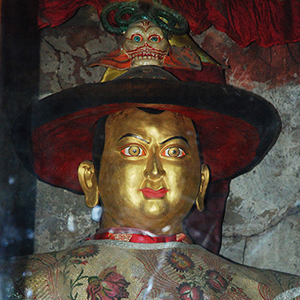 Is it justifiable to kill a tyrant out of compassion? Compassionate Killing or Conflict Resolution? The Murder of King Langdarma according to Tibetan Buddhist Sources by Jens Schlieter |
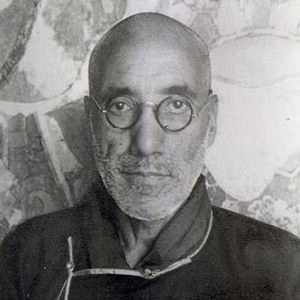 Khunu Lama: The life of an Indian saint Negi Lama Tenzin Gyaltsen – A preliminary account of the life of a modern Buddhist saint by Thierry Dodin |
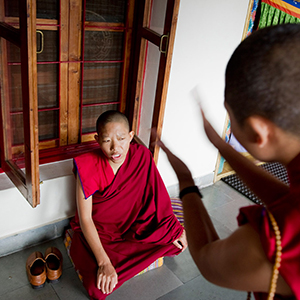 The need to enable full ordination for women Full Ordination of Women – Interview with the XIV. Dalai Lama by Michaela Doepke |
Further Readings
- Coalition of Religion and Politics by Samten G. Karmay
- “Orientalism” and Aspects of Violence in the Tibetan Tradition by Elliot Sperling
Teacher Student Relationship
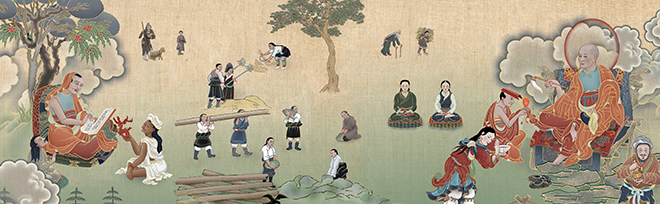
- Buddha about Intimate Friends – Mitra-vargha (Tibetan Dhammapada)
- Ethics in the Teacher-Student Relationship: The Responsibilities of Teachers and Students by H.H. the XIV. Dalai Lama
- Questioning the Advice of the Guru by H.H. the XIV. Dalai Lama
- Treat Everyone as the Buddha – Yongey Mingyur Rinpoche
- Dealing with Abusive Behavior by Spiritual Teachers – Alexander Berzin
- Unmasking the Guru – Interview with Bernhard Pörksen by Ursula Richard
- Relating to the Guru by Jetsünma Tenzin Palmo
- Devotion with Discernment – A question of personal responsibility by Rob Preece
- Breaking the Silence on Sexual Misconduct – Lama Willa B. Miller (Lion’s Roar)
- What Went Wrong – An interview with Tibetan psychologist Lobsang Rapgay about student-teacher relationships that turn abusive (Tricycle)
Abuse in Tibetan Buddhism

The Guru Question: The Crisis of Western Buddhism and the Global Future of the Nalanda Tradition
Joseph Loizzo about the compatibility of Vajrayana and the Guru with Western Culture and Western Psychology

Abuse and Buddhism: Behind the Smiling Façade
Anna Sawerthal about Buddhism in the West in a crisis. For years, it had benefited from a reputation too good to be true. Only now are victims of sexual abuse, corruption and cultic behaviour finally beginning to speak out.

Encountering the Shadow in Buddhist America
Katy Butler sheds a great deal of light on the behaviour and its deeper causes of Buddhist teachers who have misused money, become alcoholic or indulged in eccentric behavior or sex scandals.
Tibetan Buddhism Enters the 21st Century: Trouble in Shangri-la
Stuart Lachs looks at some of the recent scandals in the Tibetan traditions and examines how they mirror each other through institutional self-definitions, imputed attainments, and institutional guarantees of authority and orthodoxy.
The Dalai Lamas
The 14th Dalai Lama, Tenzin Gyatso
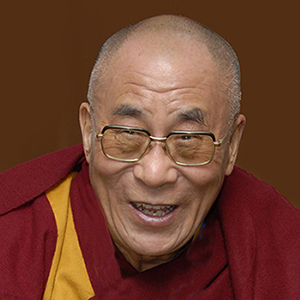 Journalist Stephen Talty travelled to Tibet and observed the deep devotion Tibetans within Tibet still feel towards their leader and religion. He walked through the Potala Palace and reflected on the young Dalai Lama maturing in the context of Tibetan culture and stormy, historical events. His conclusion is a thought-provoking and moving perspective on the Dalai Lama and his people. The 14th Dalai Lama: The Making of a Spiritual Hero by Stephan Talty |
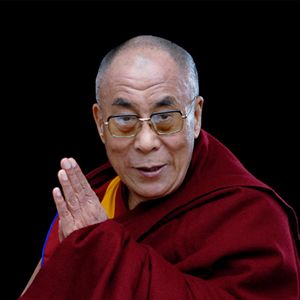 The 14th Dalai Lama has acquired the stature of international star. Why are people so taken now by the Dalai Lama? This essay addresses these questions by examining some of the ideas with which the Dalai Lama is associated, particularly among Westerners who see him as embodying the fundamental principles of Buddhism. From Protective Deities to International Stardom: An Analysis of the Fourteenth Dalai Lama’s Stance towards Modernity and Buddhism by Georges B. Dreyfus |
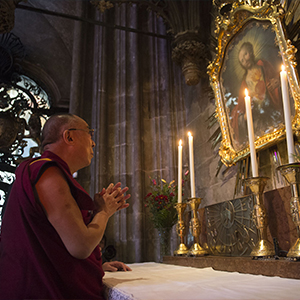 BACK ONLINE From a Catholic and theist perspective, Alexander Norman shines light on what the differences and common areas between Buddhism in Tibet and Catholicism are. He gives an overview about the Dalai Lama, the history of the Dalai Lamas, Buddhism in Tibet, reincarnation, Tibetan folk tradition, the Dalai Lama’s religious pluralism, teachings, message & significance. The Dalai Lama from a Catholic perspective by Alexander Norman |
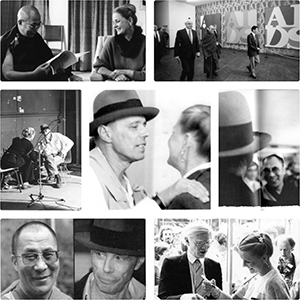 The “lost discourse” between contemporary art and Tibetan Buddhism … Culminating in the 1980s, one can speak of a kind of permanent conference of the mind having been instrumental in such artists as Beuys and Filliou, and spiritual masters as the 14th Dalai Lama and Sogyal Rinpoche. Exploring contemporary and modern art: HH the Dalai Lama reflects on points from the work of Joseph Beuys by Louwrien Wijers |
Interviews with the 14th Dalai Lama
- Dalai Lama interview about the Nobel Peace Laureates Summit, India, ethics, the institution of the Dalai Lamas, China-Tibet, Shugden & more by Raimondo Bultrini (2014)
- Interview with H.H. the Dalai Lama about hate, religion, dialogue, 9/11, fundamentalism & more by Raimondo Bultrini (2005)

The 5th & the 13th Dalai Lama
- The Fifth Dalai Lama and his Reunification of Tibet by Samten G. Karmay
- The Thirteenth Dalai Lama, Tubten Gyatso by Tsering Shakya
Tibet
 Is Tibet legally Chinese territory? Is there a legal title which could justify this claim to Tibet by the People’s Republic of China? Tibet’s Status Under International Law by Eckart Klein |
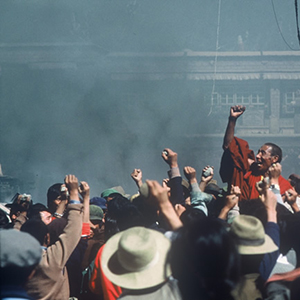 An authoritative perspective on the 1987–89 pro-independence protests and stereotypes that have clouded Western perceptions of the situation. Essay: The Tibetans by Robert Barnett |
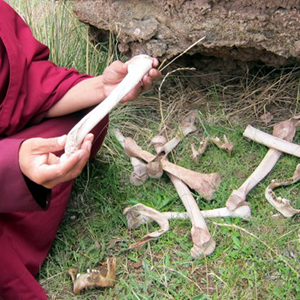 Mass death in Tibet: 1.2 million Tibetan deaths over two to three decades is the figure that is almost always cited. But this figure has no reliable foundation. The Body Count by Elliot Sperling |
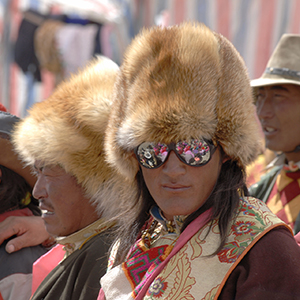 Pico Iyer’s account of the fourteenth Dalai Lama, the exiled leader of Tibet and the 1987–1989 Tibetan unrest in Tibet. Thunder from Tibet by Robert Barnett |
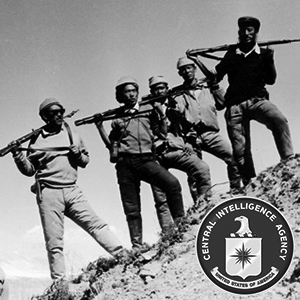 Tenzing Sonam, who made a remarkable documentary film for the BBC, reveals how the CIA once helped his people fight their oppressors. CIA in Tibet: A Secret War in Shangri-La by Patrick French |
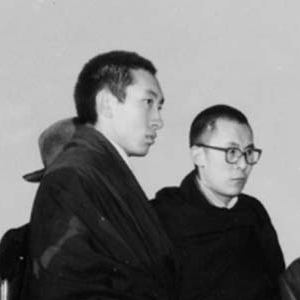 Tibetan democracy is a very different kind of democracy compared with other democratic systems prevailing in other countries. “Tibetan” Democracy by Dhondup Tsering |
Tibet Myths, Propaganda and Facts: Correcting Misrepresentations
Human Rights in Tibet before 1959
Robert Barnett examines claims by China such as: 1) before 1959, all except 5 percent of the Tibetan population were slaves or serfs in a feudal system in which they were regarded as saleable private property, had no land or freedom, and were subject to punishment by mutilation or amputation; 2) serfs were liable to be tortured or killed; and 3) economy and culture were stagnant for centuries, life expectancy was 35.5 years, illiteracy was over 90 percent, 12 percent of Lhasa’s population were beggars, and the Dalai Lama was responsible for all of this …
Tibet as “Hell on Earth”
Elliot Sperling puts China’s “Serfs Emancipation Day” and their strong ambition to dominate the Tibetan historical view into perspective. “There’s no doubt that Tibet’s traditional society was hierarchical and backwards, replete with aristocratic estates and a bound peasantry. And there’s no doubt that Tibetans, whether in exile or in Tibet voice no desire to restore such a society. Many Tibetans will readily admit that the social structure was highly inegalitarian. But it was hardly the cartoonish, cruel ‘Hell-on-Earth’ that Chinese propaganda has portrayed it to be.”
The Myth of Shangri-la
Tsering Shakya wonders and investigates why the public support of the Tibetan cause has not materialised into political action. “Why is it that no major political party has dared to pass a single resolution on Tibet?” Shakya shows that the causes for this lack of political action are not only issues of realpolitik, but also how the West perceives Tibet and interprets the Tibetan political struggle. Western perceptions of Tibet and the images they have produced about Tibet “have hampered the Tibetan political cause. The constant mythologisation of Tibet has obscured and confused the real nature of the Tibetan political struggle.”
Shangri-la in Exile: Representations of Tibetan Identity and Transnational Culture
In this paper Toni Huber is primarily concerned with the representational style and agenda of a new type of Tibetan exile self-image. He outlines the social and historical context of their appearance and he considers the manner of their deployment by the exile community. He discusses four main points, 1) the reinvention of a kind of modern, liberal Shangri-la image of Tibet; 2) how new identity images are largely the creation of a political and intellectual elite in exile; 3) that it is the experience of the diaspora that provides the initial stimulus for a modern Tibetan identity production; and 4) though the “myth of Tibet” was historically a Western enterprise, new Tibetan exile identity claims represent, at least in part, an appropriation of the Western discourse about Tibet
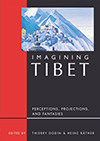
Imagining Tibet: Perceptions, Projections, and Fantasies
Most of the essays in this book are based on papers presented at the International Symposium “Mythos Tibet” held in Bonn, Germany, in May 1996. This site offers alltogether six papers from this book.
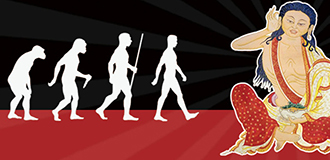
Buddhism in the West and the Image of Tibet
L. S. Dagyab Kyabgön explores the genesis of the Western image of Tibet. “Europeans usually see in Tibet that which seems familiar to them—such as the apparent similarities between the religious customs of Tibet and the Catholic Church. On the other hand, Europeans judge the uniqueness of Tibet to lie either in its backwardness or in its manifestation of that which the West has lost. … Its seclusion lent the country an aura of mystery and magic. For this reason, Tibet offered itself as a screen upon which Western fantasies could be projected.”
“Violated Specialness”: Western Political Representations of Tibet
Robert Barnett endeavors to map in his paper ways in which the Western representation of Tibet has appeared in political texts in the West since the mid-1980s, and he examines the impact of such representations on the policies of foreign governments. “In doing so, I am responding to recent reductionist depictions of Tibetans engaged in the contemporary political and cultural domains as more or less trapped subjects of Western constructions. My study takes a different approach, looking at representations in terms of their functions and intended effects. In particular, I suggest that, rather than merely responding to Western discourses which emerged following the expansion of the Tibetan advocacy movement in late 1987, exile Tibetan policy-makers were already by then encouraging this trend as part of an intended and considered strategy. In doing so, they were continuing a tradition of Tibetan political self-representation, using images which were developed in Lhasa long before the Chinese invasion and which they have continued to shape and reconstruct in response to changes in their conditions and objectives.”
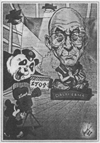
The Final Chapter of Imagining Tibet
Between Shangri-la and Feudal Oppression – Attempting a Synthesis
Thierry Dodin and Heinz Räther give an historical overview of the myth of Tibet and attempt to find an historically correct description of Tibet between the extremes of Shangri-la and feudal oppression.
“Nazi-Tibet-Connection”
If you google “Nazi-Tibet-Connection” google gives you about 225,000 results. If you search for “Tibetan uprising” Google lists about 185,000 results. The latter has historic significance but the alleged Nazi-Tibet connection is primarily the fabrication of some self-appointed “experts”. These self-styled “agents of enlightenment” who, while purporting to bring light into darkness and to demythologize Tibet, actually construct new myths by skillfully mixing fact with fiction—deliberately or not.
The following three papers by Historian and Tibetologist Isrun Engelhardt untangle the long, multilayered and complex process that finally generated the alleged Nazi-Tibetan connection.
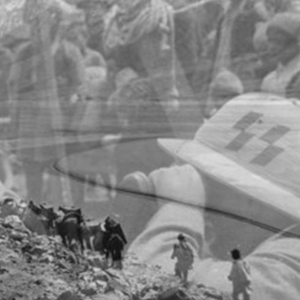 This paper has two aims: first, to describe the long, multilayered and complex process that finally generated an alleged Nazi-Tibetan connection; and second, to lay to rest the oft-repeated claim that the Ernst Schäfer Tibet expedition of 1938–39 had some occult purpose. Nazis of Tibet: A Twentieth Century Myth by Isrun Engelhardt |
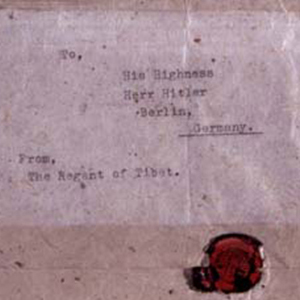 In 1939, Tibet’s regent, Reting Rinpoche, wrote two letters to the German leader at the time, Adolf Hitler. Although not the most important result of the Schäfer expedition, it became perhaps the most famous, serving as a basis for the ongoing Nazi-Tibet myth. Mishandled Mail: The Strange Case of the Reting Regent’s Letters to Hitler by Isrun Engelhardt |
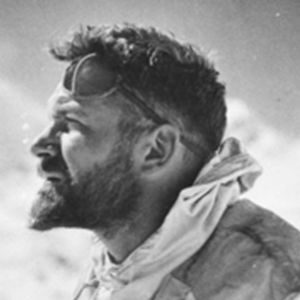 Ernst Schäfer’s German expedition to Tibet has been the subject of sensationalist and ill-informed films, books, and articles on the internet. Many of these focus upon its alleged political objectives and secret occultism, a focus which has given rise to increasingly wild speculations. Tibet In 1938–1939: The Ernst Schäfer Expedition to Tibet by Isrun Engelhardt |
Further Readings
- Robert Jay Lifton on the meeting of Shoko Asahara (Aum Shinri Kyo cult) with the 14th Dalai Lama – Quote from a Tricycle Interview
- Aum Shinrikyo’s Spiritual Journey From Meditation to Mass Murder by Ian Reader
- The Lama Wearing Trousers: Notes on an Iron Statue in a German Private Collection by Achim Bayer
- Self-Delusion: The Middle Way Approach of the Dalai Lama and the exile leadership (CTA) by Elliot Sperling
- The Tibet-China Conflict: History and Polemics by Elliot Sperling
- History as Propaganda: Tibetan Exiles versus the People’s Republic of China by John Powers
Christian Missionaries in Tibet
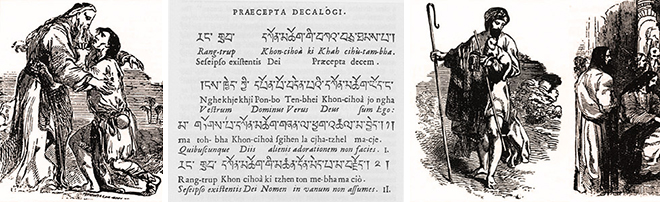
- Sacred Words and Earthly Powers: Christian Missionary Engagement with Tibet – John Bray
- Between Tolerance and Dogmatism: Tibetan Reactions to the Capuchin Missionaries in Lhasa, 1707-1745 – Isrun Engelhardt
- Saving Tibet from Satan’s Grip: Present-day Missionary Activity in Tibet – Robert Barnett
- Book Review (PDF): »Jesuit on the Roof of the World:Ippolito Desideri’s Mission to Tibet« & »Mission to Tibet: The Extraordinary Eighteenth-Century Account of Father Ippolito Desideri, S. J.« – Reviewed by John Murphy
- Travels in Tartary, Thibet, and China During the Years 1844-5-6 – Evariste Régis Huc
Controversies
The Dorje Shugden Controversy
- Certain Beliefs and Uncertain Evidence – the Case of Shugden – Suzanne Newcombe (2020)
- “Trust Me, You Can’t Trust Them”: Stigmatised Knowledge in Cults and Conspiracies – Suzanne Newcombe (2018)
- Academic Research Regarding Shugden Controversy & New Kadampa Tradition (2008–2021) by T. Peljor & C. Bell
- The Shuk-Den Affair: Origins of a Controversy (1999) by Georges Dreyfus (PDF)
- The Tulkus and the Shugden Controversy (2001) by Michael von Brück
- This Turbulent Priest: Contesting Religious Rights and the State in the Tibetan Shugden Controversy (2003) by Martin A. Mills
- Charting the Shugden Interdiction in the Western Himalaya (2009) by Martin A. Mills
- The Predicament of Evil: The Case of Dorje Shukden (2011) by Georges Dreyfus
- Shugden followers are not giving up protests against the Dalai Lama (2016) by Thierry Dodin
- Notes on the Shugden protests (2015) by Robert Barnett
- Protests against the Dalai Lama over Dorje Shugden (2014) – An interview with Robert Barnett
- The Dorje Shugden Conflict (2014) – An interview with Thierry Dodin
- The Dalai Lama and the Shugden Cult (2014) by Jens-Uwe Hartmann
- A quick note on Dorje Shugden (rDo rje shugs ldan) (1996) by Paul Williams
- Dorje Shugden and Religious Freedom: Notes on a Conflict (1997) by Jens-Uwe Hartmann
- The making of a Shugden hub in the United States (2014) by Thierry Dodin
- Some Media and the Shugden Controversy – How TV Channels and YouTube Can Deceive You (2014) by Tenzin Peljor
- Dorje Shugden (2008) – An article mainly based on scholarly papers
- Pluralism the Hard Way: Governance Implications of the Dorje Shugden Controversy and the Democracy- and Rights Rhetoric Pertaining to It (2009) by Klaus Löhrer
Dorje Shugden – A Distant and Critical Perspective
- Provocations of the Gyalpo by Chögyal Namkhai Norbu
- A Spirit of the XVII Secolo by Raimondo Bultrini
The Dorje Shugden Controversy
- Document – China: AI’s position on alleged abuses against worshippers of Tibetan deity Dorje Shugden (1998) by Amnesty International
- Developments in India, 2008: Sowing dissent and undermining the Dalai Lama by TibetInfoNet
- Delhi High Court Dismisses Dorjee Shugden Devotees’ Charges (2010) by TibetNet/CTA (PDF)
- Original statement by the Delhi High Court (2010) (PDF)
- Panel Discussion at SOAS: “The Shugden Controversy & the 14th Dalai Lama” (YouTube, 2014) by London Ney
Tibet, CIA, Tibetan Guerrillas, and the Dalai Lama
- A Secret War in Shangri-La by Patrick French
- »CIA in Tibet« by Lisa Cathey and Kefiworks: Vimeo channel
- The Phantoms of Chittagong by Claude Arpi
- Phantom Warriors of 1971 – Unsung Tibetan Guerrillas by Manas Paul
Kalachakra and Shambala Myth
- About the Kalachakra Tantra by Alexander Berzin
- Holy Wars in Buddhism and Islam: The Myth of Shambhala by Alexander Berzin
- Mistaken Foreign Myths about Shambhala by Alexander Berzin
Buddhist Organisations · Buddhist Teachers
According to The Guardian (March 2018), Suzanne Newcombe from Inform said a lot of the calls they received, including reports of abuse, were about Buddhist groups in the UK. “We used to get a lot of requests [to investigate] about Scientology but now the majority are about Buddhist groups because some of them [with problems] have not been outed in the same way and have effective PR. People contact us because they cannot find out much about them online.”
Sarah Harvey, a senior research officer at Inform, said: “The majority of our inquiries at the moment concern Buddhist groups. I think that this is due to a number of inter-related factors. Obviously there is a current popular interest in the practice of mindfulness which has Buddhist roots which we receive some inquiries about. “But also, to generalise horribly, I think there is a popular assumption that Buddhism as a whole is unproblematic and people are surprised when they do encounter controversies or have negative experiences.”
- The New Kadampa Tradition and the Continuity of Tibetan Buddhism in Transition – David N. Kay
- New Kadampa Tradition (NKT-IKBU) – aka Kadampa Buddhism or Modern Buddhism
- Geshe Kelsang Gyatso – Founder of the New Kadampa Tradition
- The One Pure Dharma: The New Kadampa Tradition is controversial—and growing. Why? By Judith Hertog (Tricycle)
- Realising the Guru’s Intention: Hungry Humans and Awkward Animals in a New Kadampa Tradition community – Carol McQuire
- “Ocean of Nectar: Wisdom and Compassion in Mahayana Buddhism” by Geshe Kelsang Gyatso. Reviewed by John Powers (PDF)
- BBC documentary: An Unholy Row – with the XIVth Dalai Lama, Stephen Batchelor, Geshe Kelsang Gyatso, Ondy Willson, Avyorth Rolinson, and Kelsang Khyenrab
- The old Kadampa Tradition of Atisha
Sogyal Rinpoche / Rigpa
- Trustee of UK charity ‘covered up abuse’ by Buddhist guru – The Guardian (Sept. 2019)
- This Is Abuse. Two former Rigpa students recall the abusive behavior of their teacher and the moment they realized it was not “crazy wisdom.” – Damcho Dyson and Tahlia Newland (Tricycle)
- Why Tibetan Buddhism is facing up to its own abuse scandal – The Telegraph
- Lewis Silkin Report Released – WhatNow Blog (Sept. 5, 2018)
- Report by Karen Baxter for Lewis Silkin LLP by order of Rigpa: Outcome of an investigation into allegations made against Sogyal Lakar (also known as Sogyal Rinpoche) in a letter dated 14 July 2017 (50 pages)
- The full report was translated into French. The introductory sections of the report, Executive Summary and recommendations were translated into German, Spanish and Italian.
- Rigpa press release (Sept. 5, 2018)
- Sogyal Rinpoche and the abuse accusations rocking the Buddhist world– The Sidney Morning Harold (David Leser)
- Sexual assaults and violent rages... Inside the dark world of Buddhist teacher Sogyal Rinpoche – The Telegraph (Mick Brown)
- A Brief History of Abuse Allegations in Rigpa – Sandra Pawula
- Opinion: How Rigpa Can Redeem Itself in the Wake of Sogyal Rinpoche’s Resignation – Lobsang Rapgay (Tricycle)
- The Tibetan Book of Living and Lying – Michaela Haas (Süddeutsche Zeitung)
- After allegations, Sogyal Rinpoche retires from Rigpa – Lion’s Roar
- Letter to Sogyal Rinpoche from current and ex-Rigpa members details abuse allegations – Lion’s Roar
- The Letter to Sogyal (Lakar) Rinpoche – Eight long term Rigpa students’ letter
- Abuse: Letter To Sogyal Rinpoche From Long Term Rigpa Students – T. Peljor
- “When fraud is part of a spiritual path: a Tibetan lama’s plays on reality and illusion” – Marion Dapsance in “Minority Religions and Fraud – In Good Faith” (Ashgate / Routledge)
- Les dévots du bouddhisme: Essais – documents – Marion Dapsance (Max Milo Editions, preface Charles Ramble)
- Sogyal Rinpoche & Rigpa – Translation of an interview with the former director of Rigpa France Olivier Raurich which appeared in the French magazine “Marianne”
- Bouddhisme : l’imposture Sogyal Rinpoché by Elodie Emery / “Marianne”
- “In The Name Of Enlightenment” :: Stephen Batchelor Interview (Vimeo)
- The lamas who give Tibetan Buddhism a bad name – The Guardian (Mary Finnigan)
- Lama sex abuse claims call Buddhist taboos into question – The Guardian (Mary Finnigan)
- Behind the Thangkas – Journalist Mary Finnigan’s “Expose of the activities of Sogyal Rinpoche” in the form of a blog
- The Precious One – Telegraph Magazine (Mick Brown, 2 February 1995)
- Point of View: Sogyal Rinpoche and the Silence of the Tibetan Buddhist Community and the Dalai Lama – T. Peljor
The FWBO was renamed in Triratna Buddhist Order (TBO/FTBO)
- Buddhist, teacher, predator: dark secrets of the Triratna guru– The Guardian (2019)
- Abuse in Triratna– Sue Jackson (2018)
- Fears mount over scale of Buddhist sect sexual abuse – The Guardian (2017)
- Apology sought over ‘abuse’ at Buddhist retreat by Joe Taylor + Joe Taylor »Inside Out East« (first ten minutes; or watch on Vimeo) – BBC (2016)
- The dark side of enlightenment – The Guardian (1997)
- BBC Documentary »Going For Refuge« (YouTube) by BBC East’s »Matter of Fact« series (1992)
Sakyong Mipham Rinpoche · Shambhala
- Survivors of an International Buddhist Cult Share Their Stories – An investigation into decades of abuse at Shambhala International By Matthew Remski
- WOVEN: LEAVING SHAMBHALA by Rebecca Jamieson
- Acharya Resignation Letter – Shambhala Times
- Open Letter from 68 Dharma Brats to Sakyong Mipham Rinpoche – Shambhala Times
- Letter of Resignation and Departure from Shambhala Community – Katrin Stelzel – Buddhist Project Sunshine
- Tibetan Buddhism Enters the 21st Century: Trouble in Shangri-la – Stuart Lachs
- Further abuse accusations against Sakyong Mipham, head of Shambhala Buddhism – Justin Whitaker
- Shambhala Investigation: Leader Sakyong Mipham Rinpoche Likely Committed Sexual Misconduct – Tricycle
- Investigative report from Wickwire Holm, a Halifax law firm (“Final Package” PDF)
- Buddhist Project Sunshine is complete – Farewell from Andrea – Buddhist Project Sunshine
- The ‘King’ of Shambhala Buddhism, Undone by #MeToo – The New York Times
- Buddhist group leader steps down over sexual assault claims – The Guardian
- Shambhala Head Sakyong Mipham Rinpoche Accused of Sexual Abuse in New Report – Tricycle
- Shambhala leader makes public apology – Lion’s Roar
- Report alleges sexual misconduct by leader of Shambhala community – Lion’s Roar
- Buddhist Project Sunshine Phase 2 Final Report – Andrea M. Winn
- Shambhala International Owns Up to Past Abuse, But What Comes Next Remains Unclear – Tricycle
- Allegations of sexual abuse in Shambhala Community – Canadian Public Broadcasting intwerviews whistleblower Andrea Winn and Joshua Silberstein, Chair of the Kalapa Council, which is the leadership group for Shambhala Buddhism
- Buddhist group admits sexual abuse by teachers – The Guardian
- Shambhala Leaders Acknowledge Sexual Harm – Sandra Pawula
- Shambala Statement – The Kalapa Council
- Project Sunshine – Final Report – Andrea M. Winn (PDF Part 1)
- Encountering the Shadow in Buddhist America – Katy Butler
- Behind the Veil of Boulder Buddhism: The Party (Ed Sander) | When the Party’s Over (Interview with Allen Ginsberg)
- A Disorganized Attachment Legacy at Shambhala: Brief Notes on Two Letters and a 1993 Interview with Pema Chödrön – Matthew Remski
- Pema Chodron on The Questionable Behavior of Trungpa Rinpoche – Tricycle Interview
Lama Ole Nydahl · Diamond Way Buddhism
- Larm om Lama Ole – Kristian Lauritzen (Weekendavisen.dk)
- Neo-orthodox Tradition and Transition: Lama Ole Nydahl and the Diamond Way by Bee Scherer
(Extended version of ‘A Neo-orthodox Buddhist Movement in Transition: The Diamond Way’, in E. Gallagher (ed.) 2017. Visioning New and Minority Religions: Projecting the Future. London: Routledge, pp. 156-165) - Lama Ole: Buddhist teacher or charlatan? – Joe Orso
- Controversial Buddhists – MyWeekender.co.uk
Kalu Rinpoche, Lama Norlha Rinpoche, 17th Karmapa · Karma Kagyu
- The Emperor’s Tantric Robes: An Interview with June Campbell – Tricycle
- I was a Tantric sex slave – June Campell (The Independent)
- Kagyu Thubten Choling addresses sangha about Lama Norlha Rinpoche’s sexual misconduct with students – Lion’s Roar
- Breaking the Silence on Sexual Misconduct – Lama Willa Miller (Lion’s Roar)
- The YouTube confessional sending shockwaves through the Buddhist world – Mary Finnigan (The Guardian)
- B.C. woman claims ‘marriage-like relationship’ with revered Buddhist holy figure – CBC News (Canada)
- 17th Karmapa Faces Lawsuit: Ogyen Trinley Dorje accused of rape, fathering a child with a nun – Tricycle
- DNA Test Confirms Karmapa Fathered a Child, Source Says – Buddhism Controversy Blog
- New website invites discussion of abuse allegations against 17th Karmapa – Lion’s Roar
- Karmapa Case Discontinued – Tricycle
- Karmapa Agrees to Multimillion-Dollar Settlement with Mother of his Child, Source Says – Buddhism Controversy Blog
Karmapa Controversy
- Two claimants to “Karmapa” title release joint statement calling for unity – Lion’s Roar
- Reactions from Tibet experts on Karmapa meeting – Tibet Sun
- 2 Karmapas are uniting and it’s time for India to deal with it in a mature way – The Print
- On Shamar Rinpoche’s death and the future of Karmapa – Thierry Dodin
- The Recognition of Incarnate Lamas in Tibetan Buddhism and the Role of the Dalai Lama¹ – Geoffrey Samuel
- Who is the Karmapa? Western Buddhist Responses to a Challenge to Traditional Religious Authority – Helen Waterhouse
- Who is the Karmapa Lama? – BBC
Geshe Michael Roach
- Death and Madness at Diamond Mountain – Scott Carney
- Sex and Death on the Road to Nirvana – RollingStone
- read more …
¹ The file was kindly provided by Geoffrey Samuel. His expert testimony was requested for a court case in New Zealand. The court case was about the ownership of a Dharma centre belonging to the Karma Kagyu Trust.
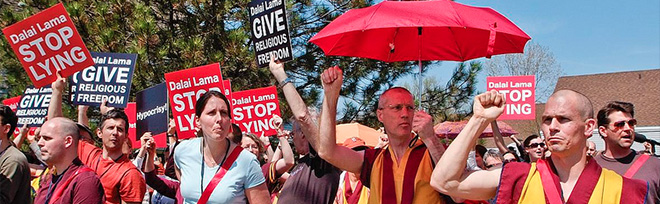
- International Shugden Community / Western Shugden Society – unlocked – Tenzin Peljor
- Who is protesting against His Holiness the Dalai Lama? – Tsultrim Palmo & Carol McQuire
- Statement of the Deutsche Buddhistische Ordensgemeinschaft (DBO, German Buddhist Monastic Association) (2014)
- Australian Sangha Association Statement – ASA (2008)
- Blog “Tibetan Buddhism :: Struggling With Diffi·Cult Issues” – Tenzin Peljor
Soka Gakkai International (SGI)
- Sōka Gakkai International – Oxford Reference
- Risky alliance for Japan's ruling party – BBC News
- The Power of Soka Gakkai – Time Magazine
Thich Thien Son
Thich Thien Son, Zen Master and Abbot of Pagode Phat Hue (Frankfurt) and “Buddhas Weg” (Odenwald), was expelled from the “German Vinaya Sangha Association” (DBO) on the 24th of December 2010. The expulsion was made after a thorough investigation. The DBO had received five affidavits by former students of Thich Thien Son which clearly demonstrate that he had had inappropriate sexual relationships with several of his students.
T.Y.S. Lama Gangchen Rinpoche
- Allegiance to the Dalai Lama and those who “become rich by opposing splittism” – TibetInfoNet
- The Role of Lama Michel, the “Little Buddha” of São Paulo, within the Globalized Tibetan Buddhist Movement of Lama Gangchen by CESNUR
Kundeling Lama¹ (Lobsang Yeshi Jampal Gyatso, born 1959 in Kolkata, India) – Atisha Charitable Trust
- see: TIN-Update116
¹ The officially recognized 13th Kundeling Tatsak Rinpoche is Tenzin Chokyi Gyaltsen, born 1983 in Lhasa, Tibet. (See also: A Former Dorje Shugden Follower’s Thoughts – Tenzin Peljor)
Further Readings
- Open Letter – Conference of Western Buddhist Teachers 1993
- Problems in the development of Tibetan Buddhism in the West – L. S. Dagyab Kyabgön
- Taking Responsibility and Seeing Eye to Eye with the Guru – L. S. Dagyab Kyabgön & Norden Dagyab
- Polarization Destroys Democracy – Jay Garfield
- Silencing and Oblivion of Psychological Trauma, Its Unconscious Aspects, and Their Impact on the Inflation of Vajrayāna. An Analysis of Cross-Group Dynamics and Recent Developments in Buddhist Groups Based on Qualitative Data – Miriam Anders
- Sakyadhita International Association of Buddhist Women Holds First Post-#MeToo Conference – Tricycle
- Controversies related to Tibetan Buddhism, the Dalai Lamas and Tibet – Q&A with Thierry Dodin
- Critical Thinking, Creativity & The Problem With Beliefs: The NKT, Rigpa and SGI – Matthew O'Connell
- Cults, Cultish Shennanigans & Buddhist Groups – Matthew O'Connell
- Address to the Global Buddhist Congregation 2011 – The XIVth Dalai Lama (YouTube)
- The Buddhist Lama and the Indian Farmer: Negotiating Modernity and Tradition in the Development Plans for Kushinagar, India – Jessica Falcone
- more: Inform (Information Network Focus on Religious Movements)
Western Buddhism: Problems, Presentations & Debates
- Buddhism without Sectarianism – Deshung Rinpoche
- Tibetan Buddhism in the West – A Series of Three Articles
- Dangers in Devotion: Buddhist Cults and the Tasks of a Guru – John Crook
- Movements In British Buddhism – Ken Jones
- Sangha Schism – Thanissaro Bhikkhu
- Address to the Monks of Ganden, Drepung, and Sera about Buddhism in Foreign Countries – Alexander Berzin
- The Meeting of Traditions: Inter-Buddhist and Inter-Religious Relations in the West – Oliver Freiberger
- Tibetan Buddhism as a World Religion: Global Networking and its Consequences – Goeffrey Samuel
- Global Buddhism: Developmental Periods, Regional Histories, and a New Analytical Perspective – Martin Baumann
Rebirth Debate
- A Difficult Pill: The Problem with Stephen Batchelor and Buddhism’s New Rationalists – Dennis Hunter
- Distorted Visions of Buddhism: Agnostic and Atheist – B. Alan Wallace
- Rebirth: The Case of the Siamese Sergeant Thiang San Kla – Francis Story
Self-Immolations in Buddhism
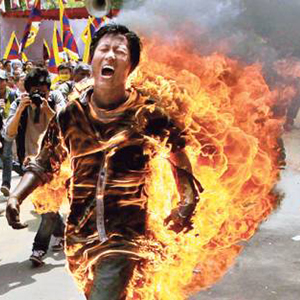 From March 2011 to June 2012, over three dozen Tibetans set themselves on fire to protest against repression in China. Self-immolation, though exceedingly rare, has been part of the global repertoire of protest for half a century. This article places the Tibetan cases within an international context of suicide protest over several decades. Self-Immolation in Context, 1963-2012 by Michael Biggs |
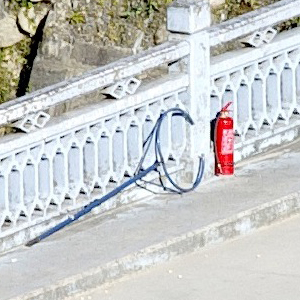 In Tibet, where China pretends to have liberated the population from obscurantism and imperialism and led it to a better life, there are dozens of Tibetans who burn themselves to express their political frustration. Part I: Why are Tibetans doing that? Self-immolations of Tibetans I – An interview with Thierry Dodin |
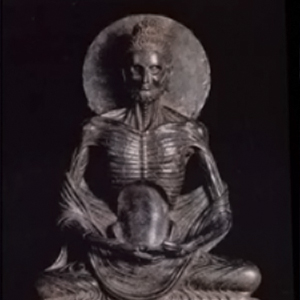 Is there a background within Buddhism that supports an act of self-immolation? For instance Jamyang Norbu as well as Robert Barnett found that it would resonate with the Buddhist tradition. Jamyang Norbu even called them “Martyrs” … Part II: Self-immolations & Buddhism Self-immolations of Tibetans II – An interview with Thierry Dodin |
Part III: Reactions and Consequences
- Self-immolations of Tibetans III – An interview with Thierry Dodin
Traditional Buddhist Teachings
Vinaya Teachings – Monastic Ethics
Do not say after my parinirvana that pure practitioners have no protector. Now that I have taught the Pratimoksha Sutra and the excellent vinaya well, regard these as the World-honored One after my parinirvana.Shakyamuni Buddha in the Pratimoksha Sutra
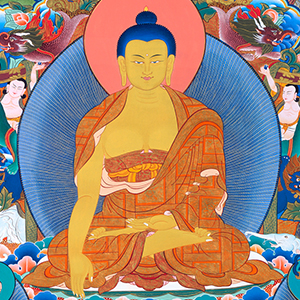 Pratimoksha Sutra – Buddha |
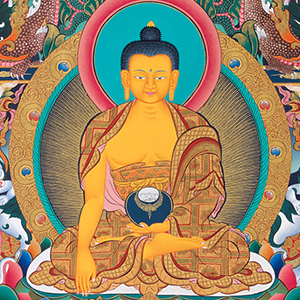 Shila Samyukta Sutra – Buddha |
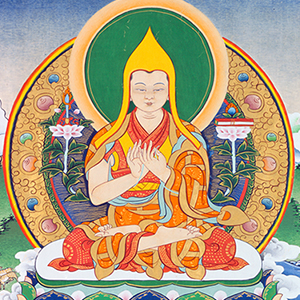 The Essence of the Vinaya Ocean – Tsongkhapa |
Essential Buddhist Teachings
- Dhammacakkappavattana Sutta (The Four Noble Truths) – Buddha
- The Noble Eightfold Path - The Way to the End of Suffering – Bhikkhu Bodhi